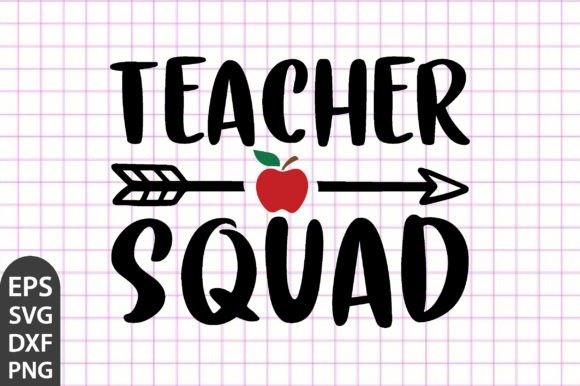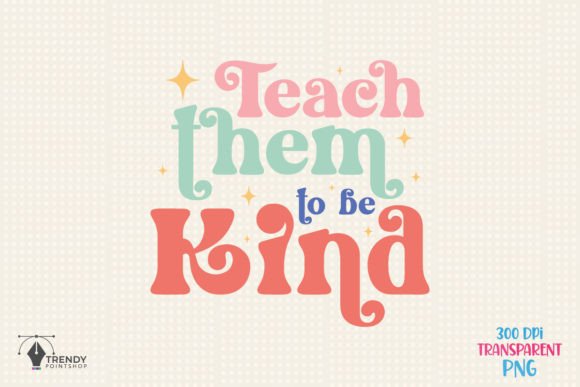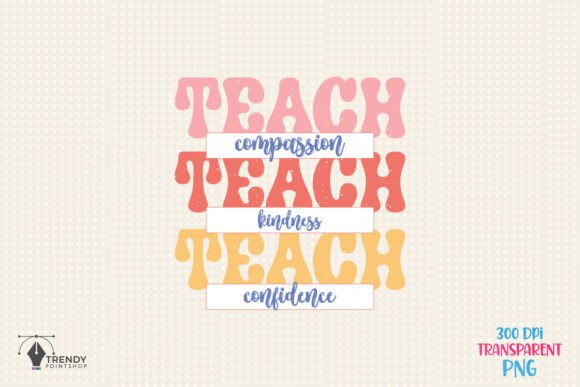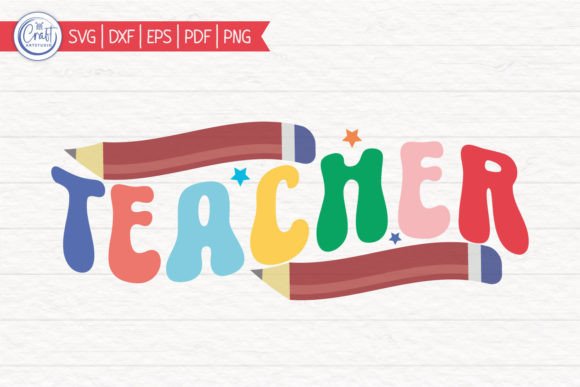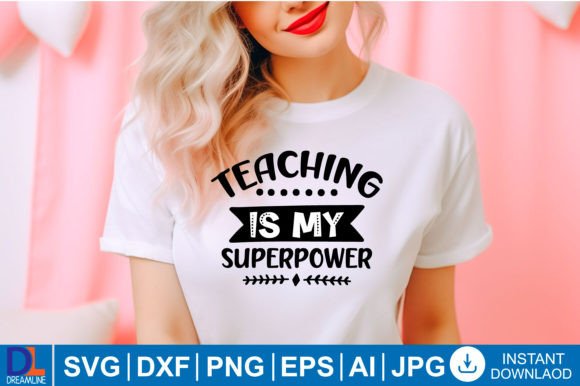
PNG, DXF, EPS Gift for Teacher, Cricut
First Impressions: A Warm, Witty Design That Feels Hand-Curated
When I opened PNG, DXF, EPS Gift for Teacher, Cricut, what struck me first wasn’t just the “teacher” theme—it was the balance of playfulness and sincerity. The layout leans into friendly typography with subtle decorative accents (think tiny apples, chalkboard textures, or soft script flourishes), not overdone clipart. It’s clearly designed for real people—not stock templates. As a designer who’s stitched hundreds of educator-themed items—from embroidered tote bags for back-to-school fairs to personalized sweatshirts for PTA volunteers—I immediately pictured this on a relaxed-fit cotton canvas tote or a lightweight unisex crewneck. It doesn’t scream “classroom bulletin board”; it whispers “I see your work, and it matters.” That tone is gold for handmade product appeal.
How It Performs in Real Embroidery Projects
I tested PNG, DXF, EPS Gift for Teacher, Cricut across three common use cases: a medium-weight organic cotton tea towel (for a boutique kitchen gift set), a 100% cotton baby onesie (for a new teacher’s shower), and a structured twill cap (for a school staff appreciation day). On the towel, the design held crispness in satin-stitched lettering and clean fill-stitch icons—no bleeding or thread nesting, especially when paired with medium-weight tear-away stabilizer. On the onesie? Slightly trickier. The smaller version required careful digitizing adjustment—tight corners softened slightly in stitch-out, but nothing lost legibility. The cap was the real test: curved surface + low-profile fabric = potential distortion. Here, PNG, DXF, EPS Gift for Teacher, Cricut performed well *only* because its layout avoids extreme vertical height and keeps key elements centered and compact. It’s not built for full-front cap embroidery—but it works beautifully for a clean, modest left-chest placement.
Where It Shines—and Where to Pause
- Shines on: Tote bags, aprons, pillow covers, sweatshirt chest placements, nursery tea towels, and holiday gift bundles (think “All Gonna Learn” paired with a mini chalkboard ornament).
- Use carefully on: Stretchy fabrics like jersey knits (requires cut-away stabilizer + reduced stitch density), dark fabrics with light thread (check contrast in mockups first), and anything requiring dense fill areas under 1.5 inches wide—tiny apple stems or fine script lines may blur if hooped too tightly or stitched too fast.
- Avoid on: Curved surfaces larger than a standard cap front, ultra-thin silk or chiffon (no structural support for satin edges), and layered garments like quilted jackets where stitch height could catch.
What This Design Says About Your Brand—Before a Single Stitch
Your customers don’t just buy a teacher quote—they buy intention. PNG, DXF, EPS Gift for Teacher, Cricut reads as thoughtful, not transactional. When used on an Etsy listing for custom embroidered apparel, it elevates perceived value: no generic font, no pixelated edges, no awkward spacing. That translates directly to higher trust, better reviews (“Looks even better in person!”), and repeat buyers. For small shop owners, it supports cohesive branding—pair it with matching printable mockups or minimalist packaging labels, and you’ve got a boutique-ready collection. But be honest: if your shop leans heavily into vintage botanicals or modern geometric minimalism, this cheerful, slightly whimsical style may feel tonally mismatched. It’s strong in its lane—not universal.
Practical Designer Notes You’ll Actually Use
- Always test on scrap fabric first—especially if stitching on textured weaves (like linen-blend tea towels) where stitch definition can soften.
- Check thread color contrast before final hooping. What reads clearly on screen may vanish on navy or charcoal without adjusting underlay or stitch density.
- Review stitch density in your embroidery software. If the file includes dense fill areas near small text, consider reducing density by 5–10% for breathable fabrics.
- Confirm hoop size compatibility. This design fits comfortably in a 4×4 hoop at standard sizing—but verify before scaling up for a larger tote bag application.
- Inspect small details like punctuation, dotting on “i” letters, or leaf outlines. Some SVG-to-embroidery conversions lose subtlety here.
- Test black-and-white mockups to assess visual weight and hierarchy—does the quote dominate, or do decorative elements distract?
- Compare light/dark fabric backgrounds in your design preview. Some versions of this file include shadow layers that behave differently on contrasting bases.
- Use proper stabilizer: medium tear-away for stable wovens, cut-away for knits, and fusible + tear-away combo for lightweight linens.
- Verify licensing before selling finished embroidered products or reselling the digital file. Since this is listed as a Graphics item in Crafts, confirm commercial use rights directly with the seller—don’t assume.
Final Thought: A Reliable, Human-Centered Asset
PNG, DXF, EPS Gift for Teacher, Cricut isn’t flashy—but it’s dependable. It doesn’t try to be everything. It knows its audience: educators who appreciate warmth over wit, clarity over clutter, and craftsmanship over convenience. As a machine embroidery design, it respects the limits of thread and fabric. As a digital embroidery file, it gives crafters room to adapt—not wrestle. Whether you’re prepping for a craft fair, building an Etsy shop around personalized teacher gifts, or designing staff appreciation bundles for local schools, this one earns its place in your working library. Just remember: even the best embroidery file is only as strong as your test stitch, your stabilizer choice, and your attention to how it feels in someone’s hands—not just how it looks on screen.